
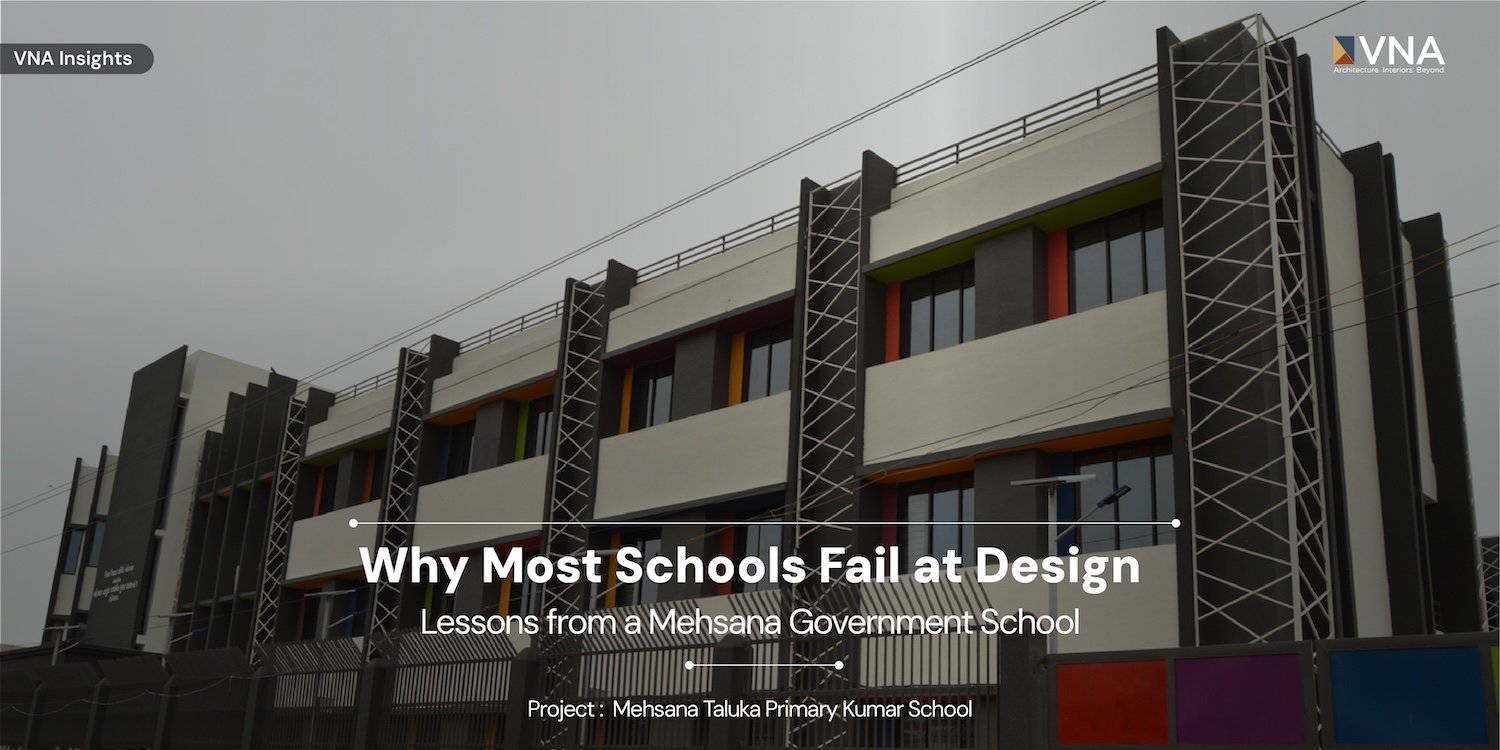
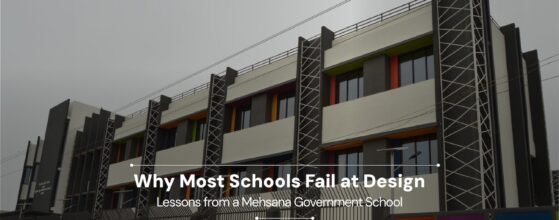
A Founder’s Note In 2016 we completed a government primary school in Mehsana — Mehsana Taluka Primary Kumar School-1 — and built it to the amenity standard of a corporate private school. Most government schools in Gujarat at the time were running on bare-minimum SSA facilities: shared toilets, undifferentiated furniture, no real thought given to how a six-year-old’s body differs…
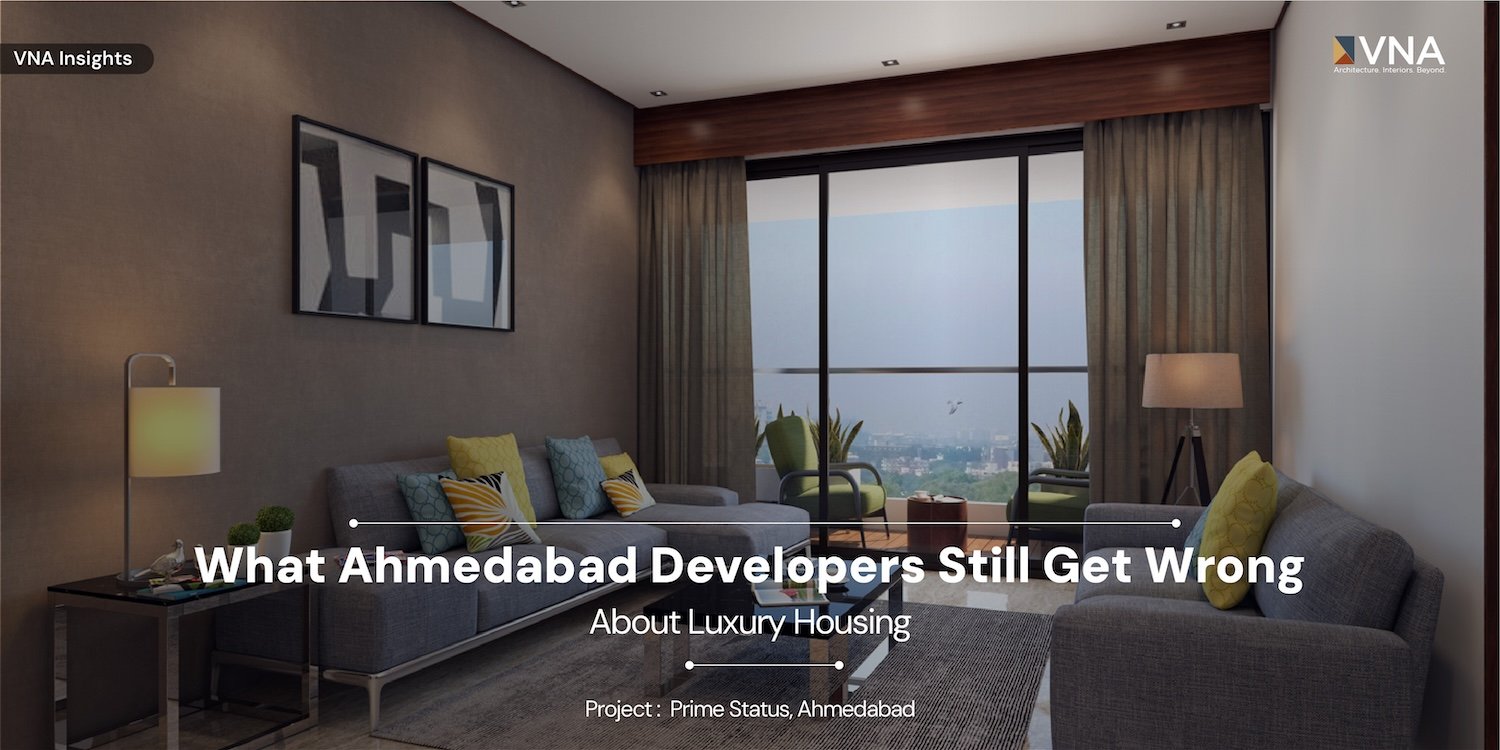
A Founder’s Note In Ahmedabad’s real estate market, “luxury” has become a branding exercise. Import some Italian marble, install a European kitchen, add a clubhouse with a gym, and call it premium. But visit these projects a few years after handover and the complaints are remarkably consistent: the marble has stained, the kitchen layout does not work, the clubhouse is…
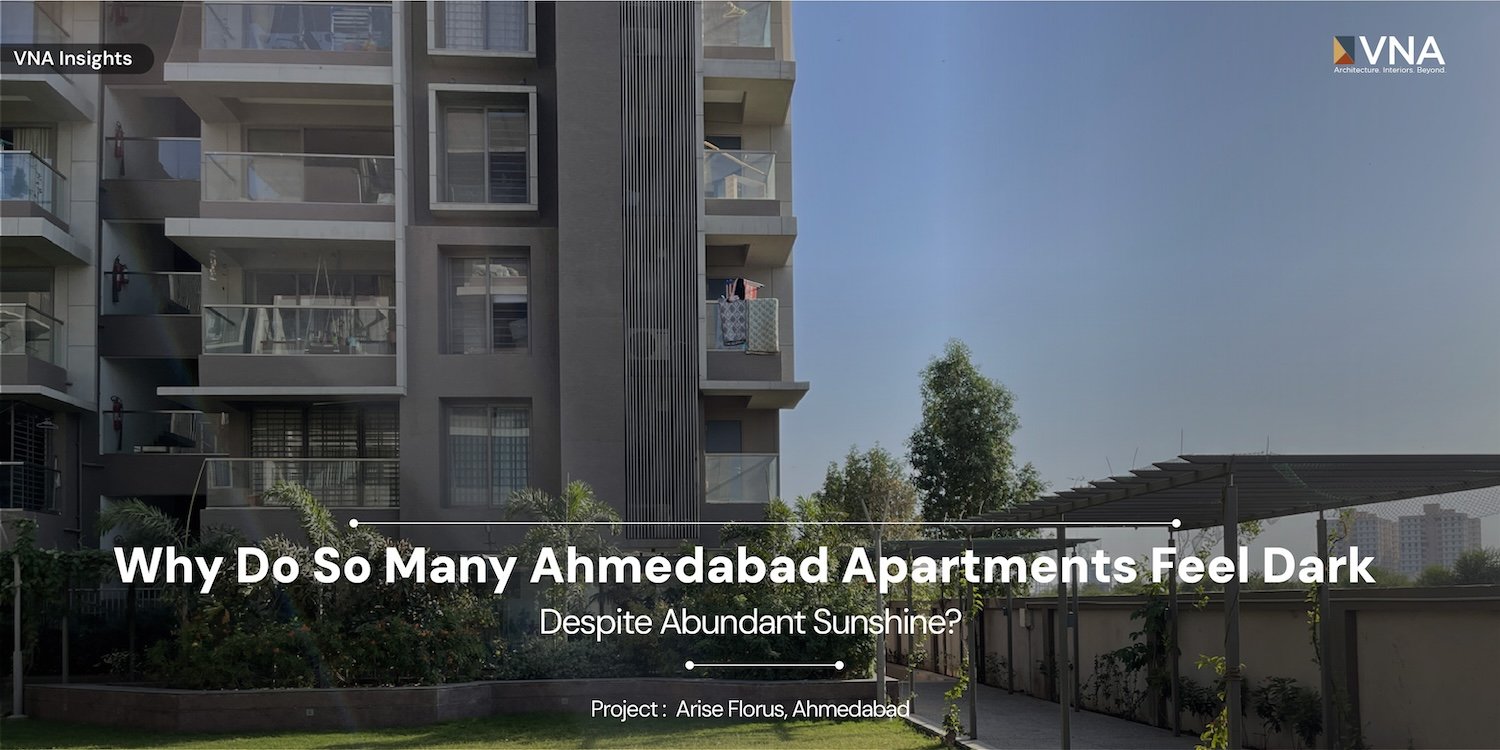
A Founder’s Note Gujarat has over 300 sunny days a year. Ahmedabad is flooded with light. And yet, walk into most apartments in the city—even new ones, even expensive ones—and you will find yourself reaching for a light switch at two in the afternoon. This is not a climate problem. It is a design problem. And it is almost entirely…
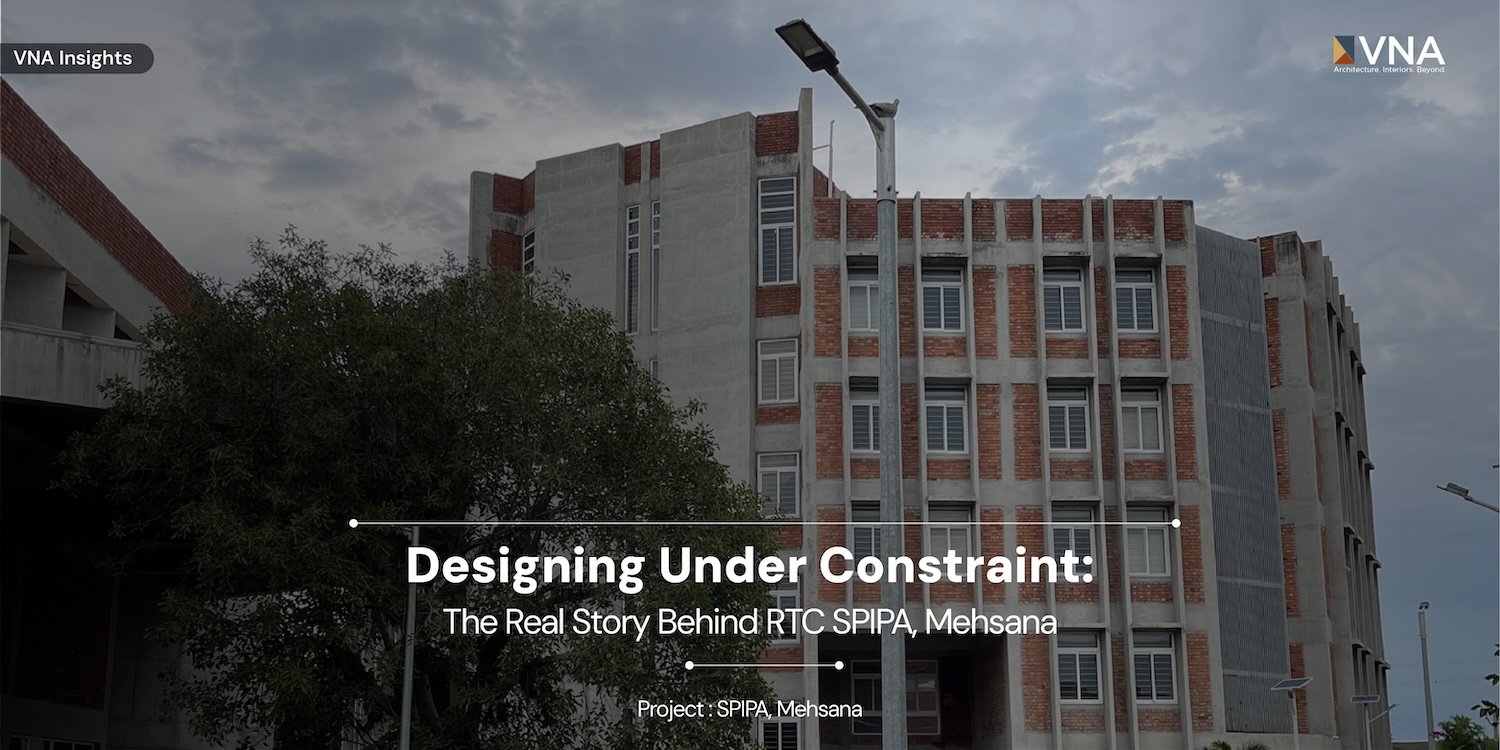
Architecture case studies usually show the finished building and describe the design intent. The constraints, trade-offs, and difficult decisions are smoothed over or omitted. This note does something different. It documents the real story behind RTC SPIPA, Mehsana—a government training institute we designed under significant constraints—and what the building has taught us since occupation. Constraints, decisions, outcomes: this is how…
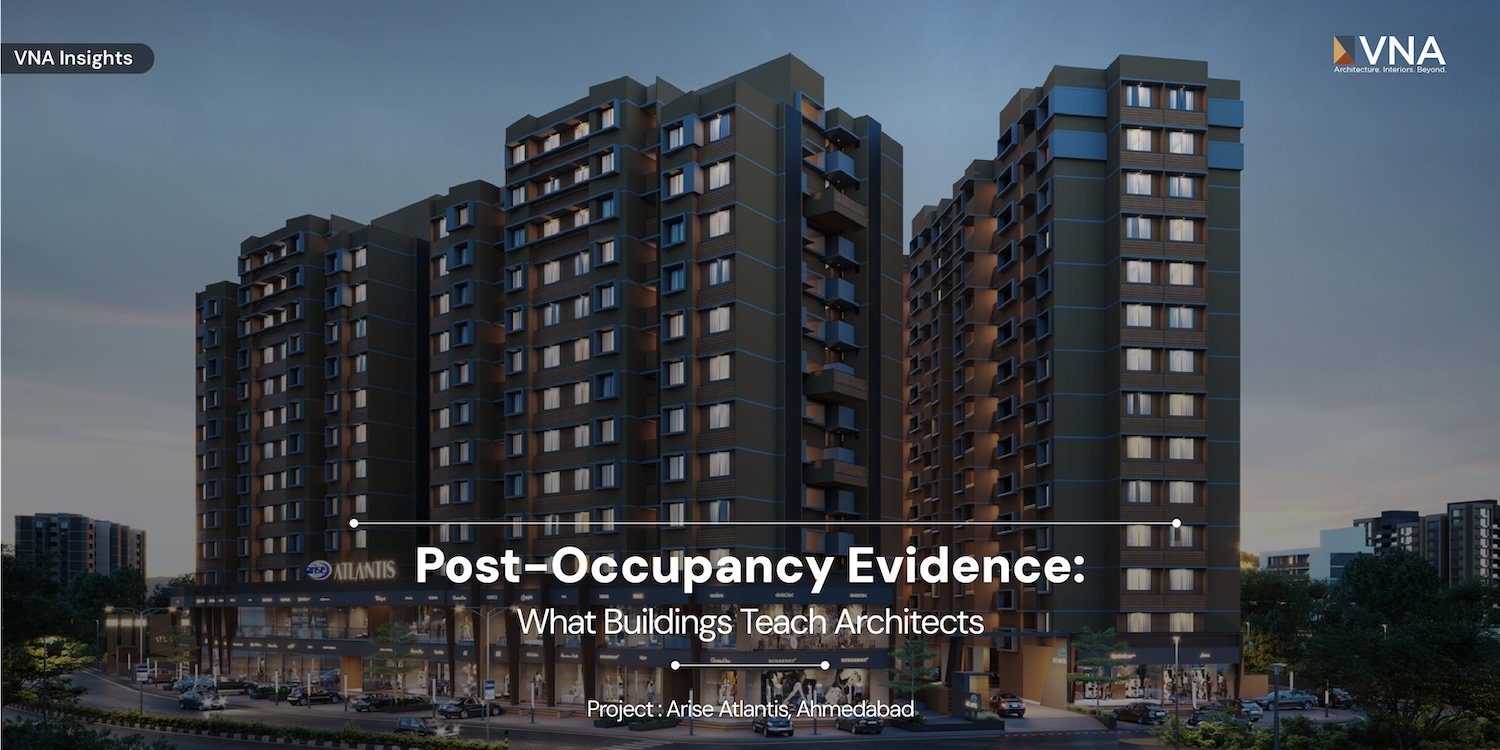
Most architecture stops at handover. The building is complete, the photographs are taken, the project is published—and the architect moves on. But handover is not the end. It is the beginning of the building’s real life: occupied, used, tested by climate and time. This note is about post-occupancy evidence—what buildings actually teach architects after people move in, and why this…

Every May, the same complaints return: the house is unbearably hot, the AC runs all day, the electricity bills are crushing, the west-facing rooms are unusable. These are not Acts of God. They are consequences of design decisions—decisions that were made, or not made, when the building was planned. This note explains why most homes in Gujarat overheat and how…
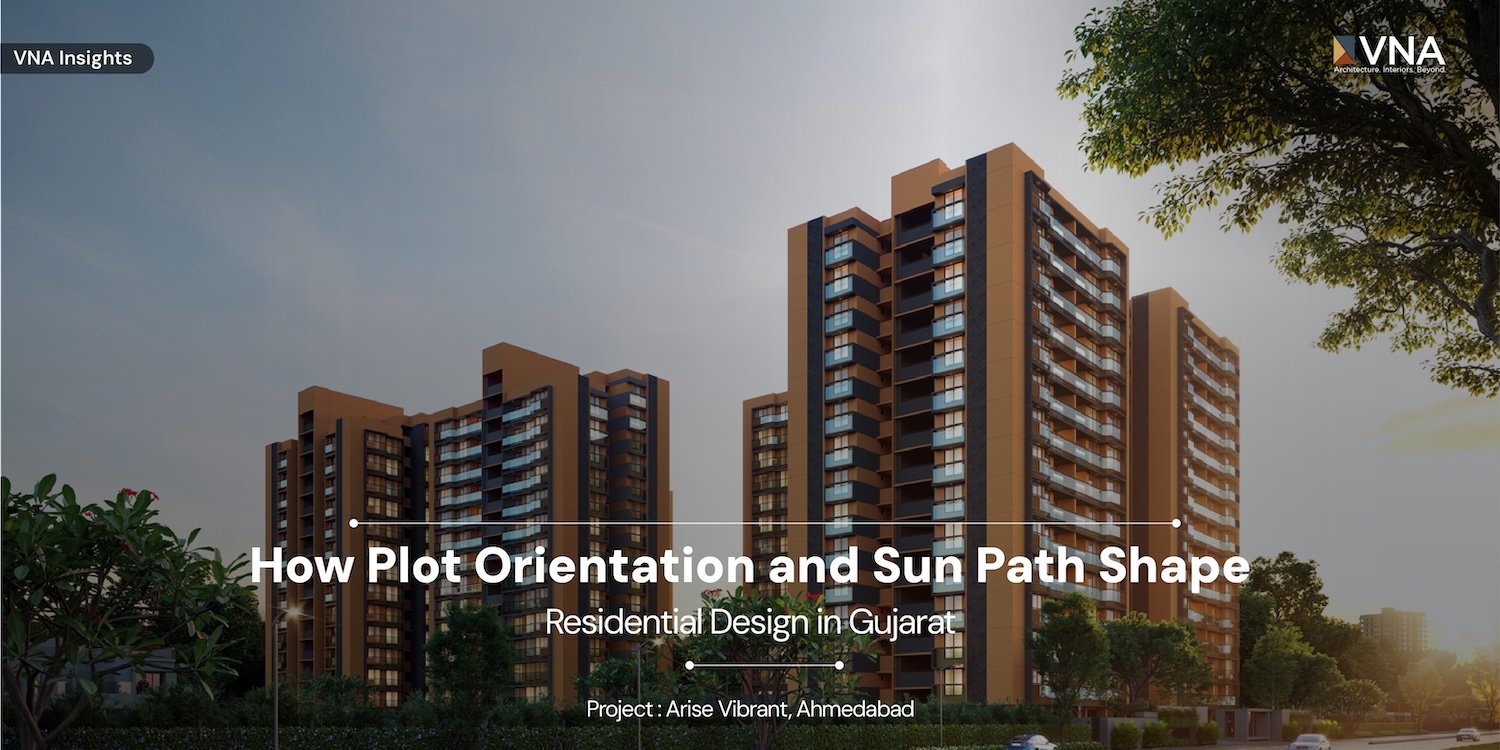
In Ahmedabad, the single biggest design decision for any home is orientation. Get it right, and the house stays comfortable for decades with modest energy use. Get it wrong, and you are negotiating with the sun for the life of the building—paying in electricity bills, in discomfort, in rooms that cannot be used in summer afternoons. This note explains how…
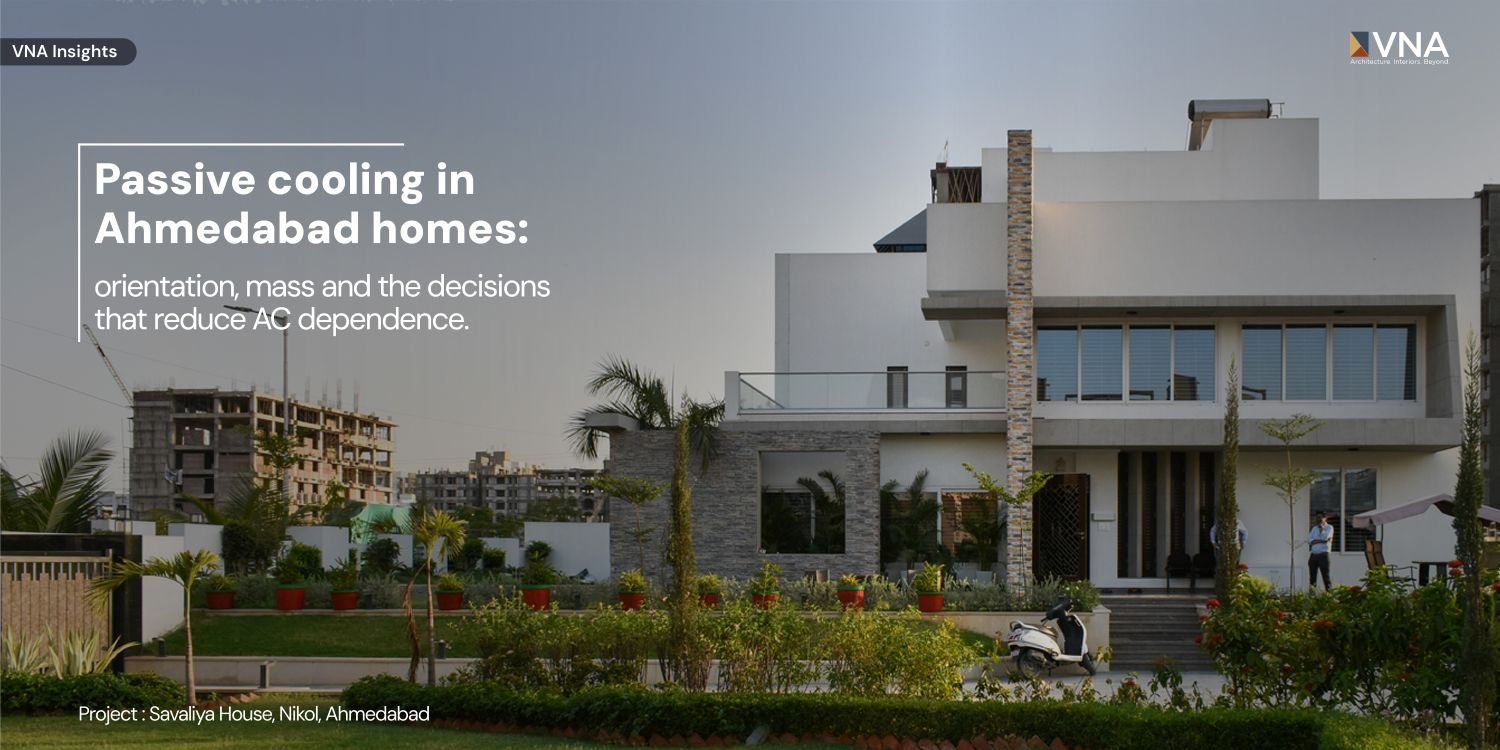
Air-conditioning has its place. In Gujarat’s peak summer, it is often necessary. But a home that requires air-conditioning to be habitable—that becomes unbearable the moment the power fails or the system breaks—is not well designed. It is dependent. This note is about passive cooling: the techniques that reduce a home’s need for mechanical cooling, extend the comfortable months, and make…
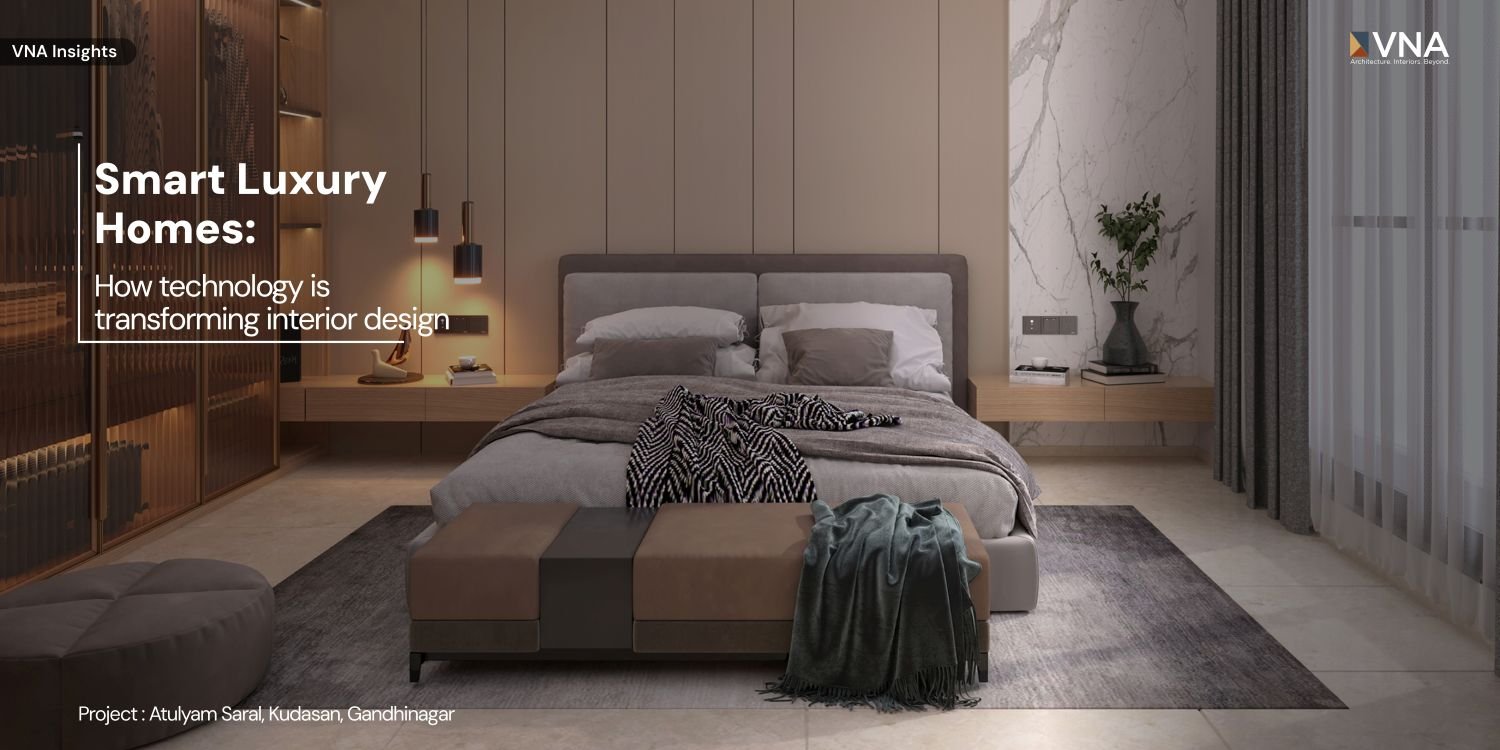
The phrase “smart home” has been around long enough to have disappointed a generation of early adopters. Systems that promised seamless control delivered complexity. Interfaces that promised intuition required manuals. And “smart” often meant “dependent”—on apps, on connectivity, on systems that aged faster than the house itself. This note is about what smart luxury home design looks like when it…
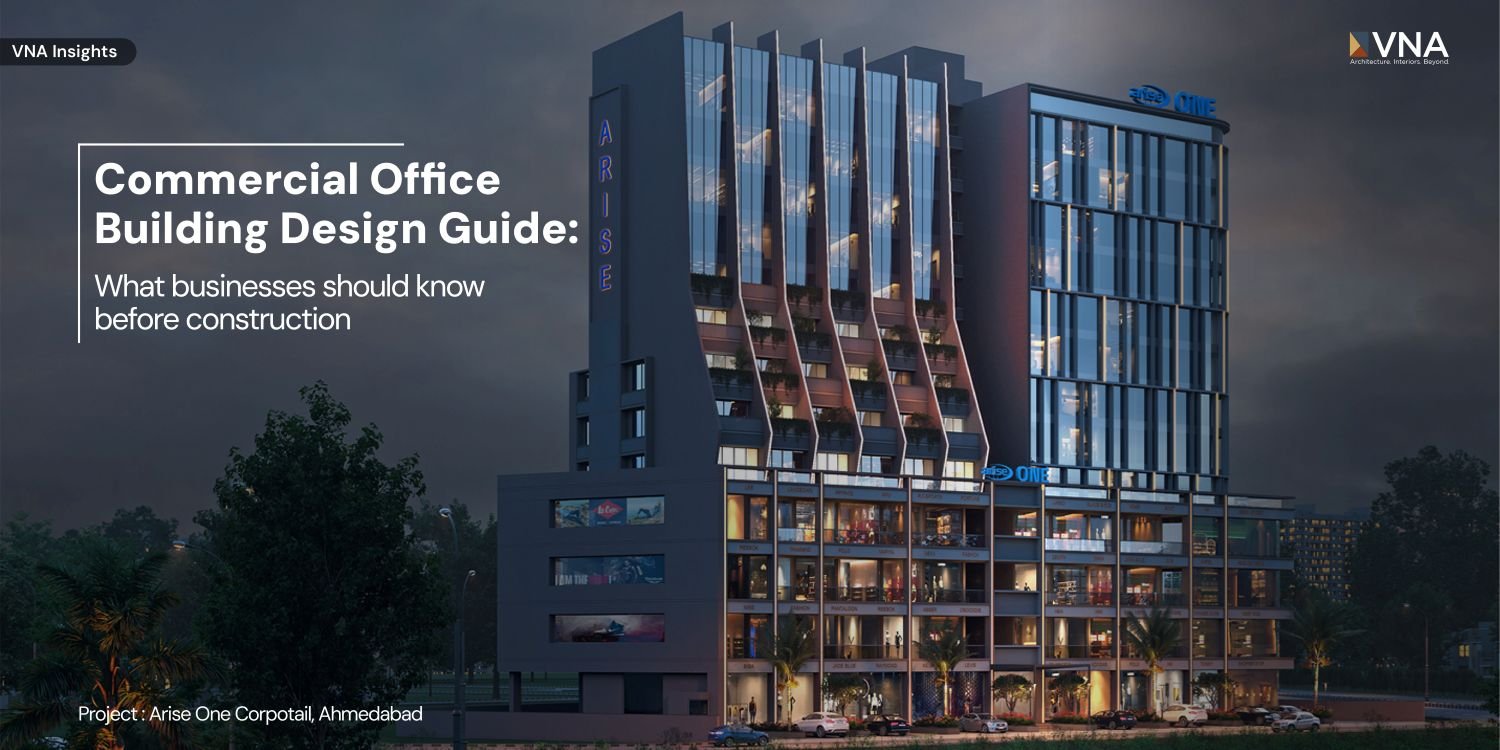
Commercial office buildings are often commissioned by people whose expertise is business rather than building design. This is natural—construction is not their expertise, and when business thinking and building thinking are not aligned, it can create expensive mistakes: briefs that don’t match budgets, designs that don’t match operations, and buildings that look impressive but work poorly. This note is a…
Leave a Reply