
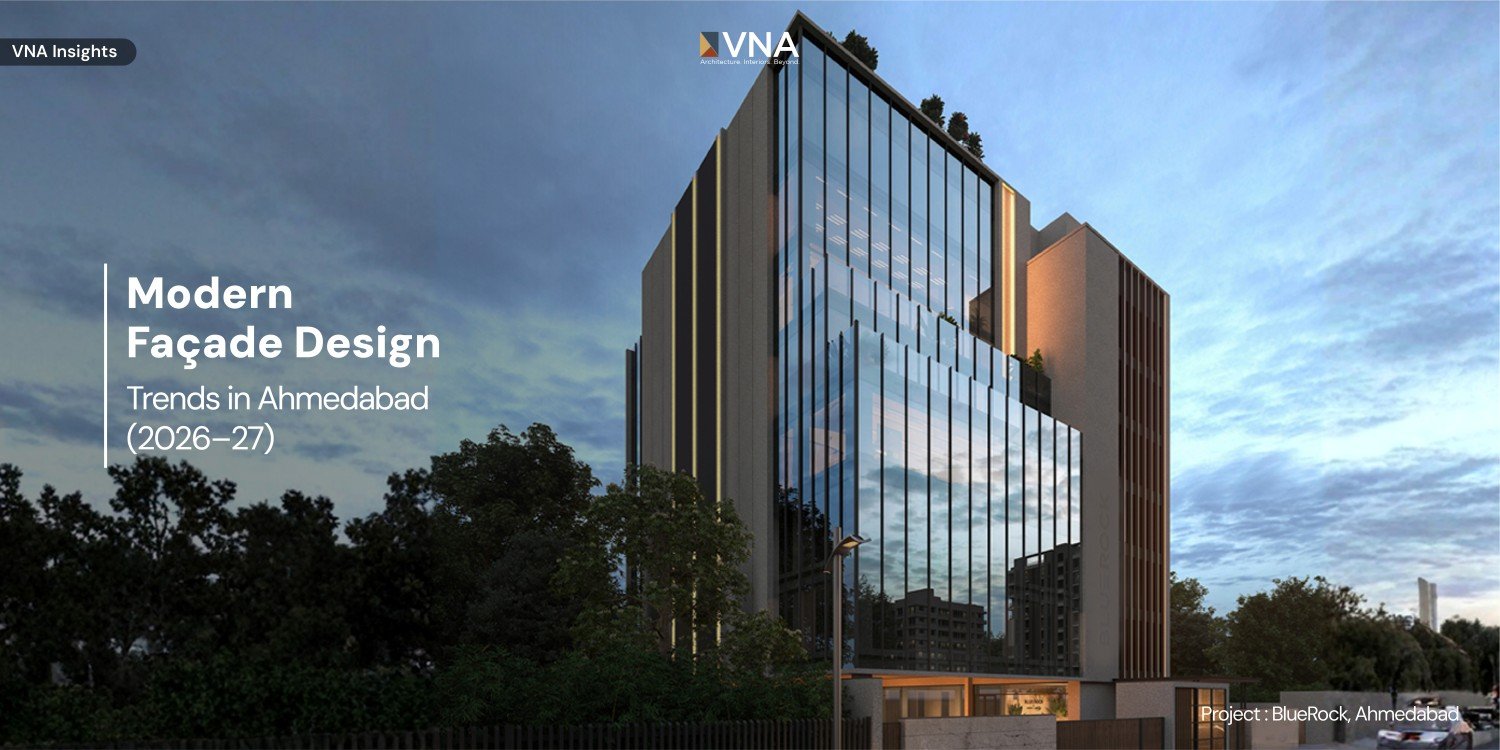
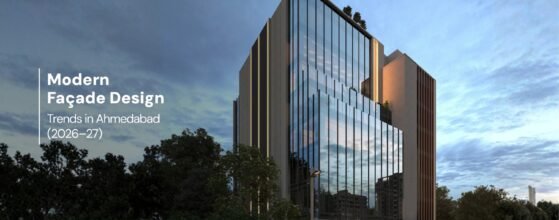
Façade trends are usually presented as material catalogues: what’s new in cladding, what colour is fashionable, what profile is being specified. This note tries something different. It looks at what is actually changing in Ahmedabad façade design—not as a style update, but as a response to climate realities, material availability, maintenance truths, and the slow maturation of local practice. The trends worth watching are not about novelty….
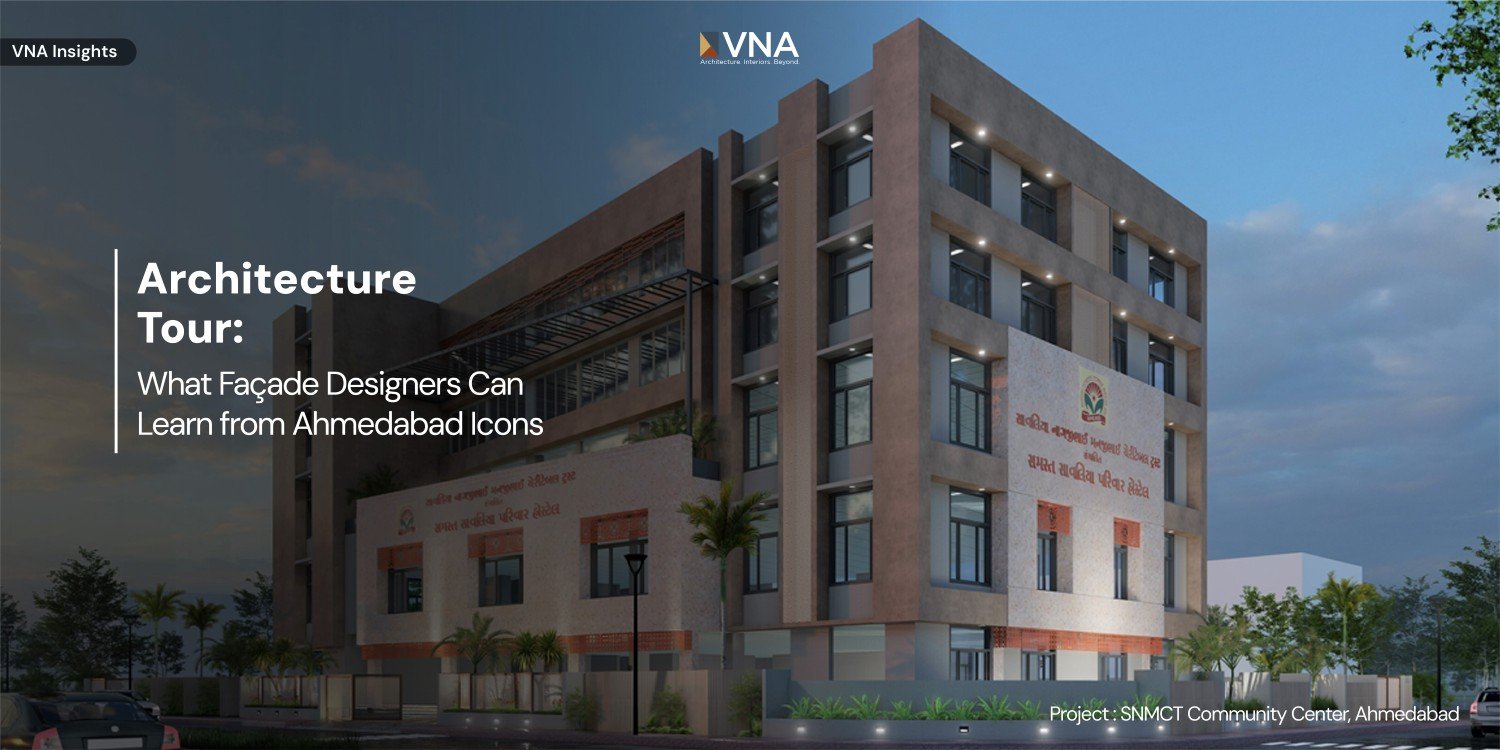
Every city teaches architecture, but Ahmedabad teaches it more insistently than most. The climate is unforgiving, the institutional legacy is serious, and the best buildings here have always treated the façade not as a canvas for expression but as a negotiation with sun, dust, and rain. This note is a walking tour of sorts—a look at what Ahmedabad’s iconic buildings…
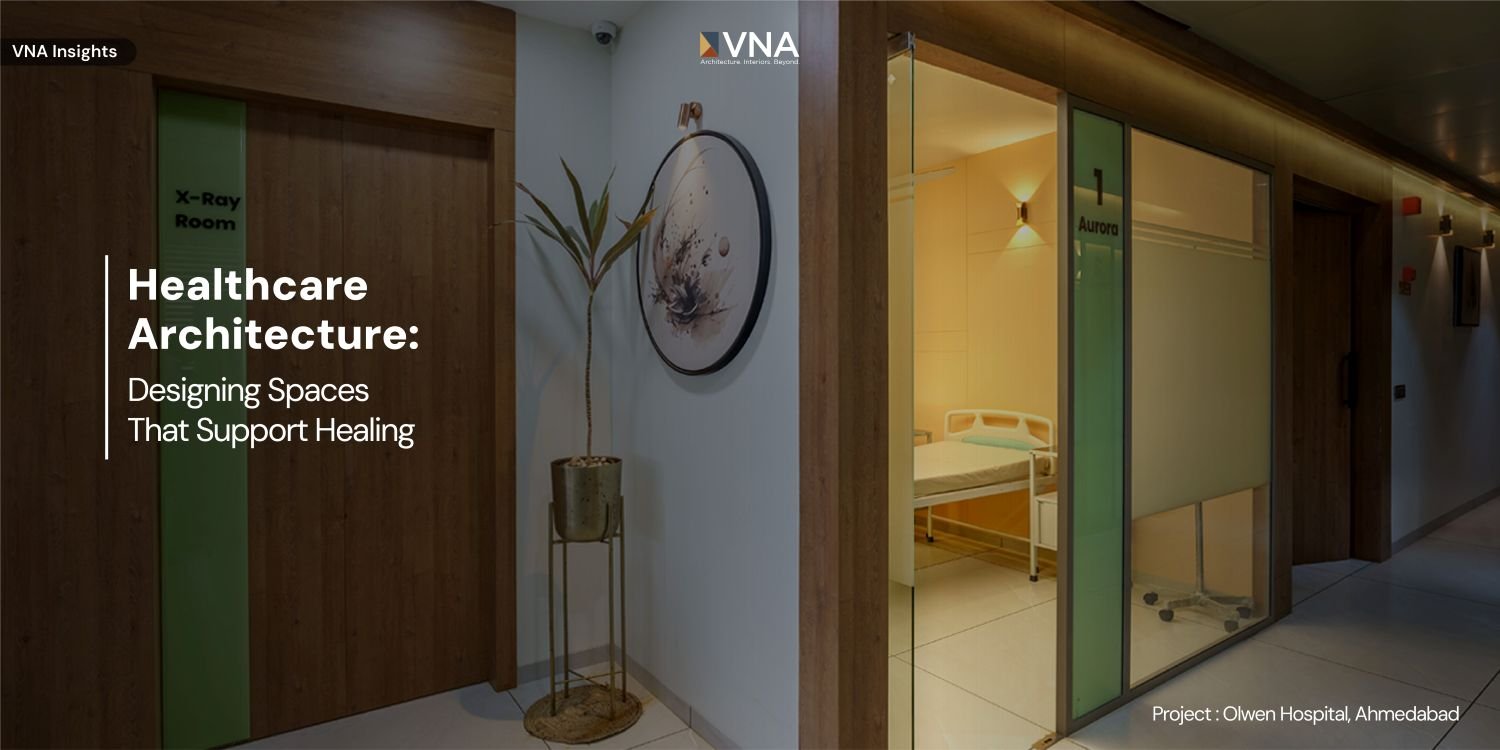
Healthcare buildings are often discussed as if they were logistics problems: patient flow, bed counts, equipment access, infection control. These things matter enormously. But they are not the whole story. A hospital or clinic is also a place where people arrive frightened, wait anxiously, receive difficult news, and—if the building is designed well—feel held rather than processed. This note is about healthcare…
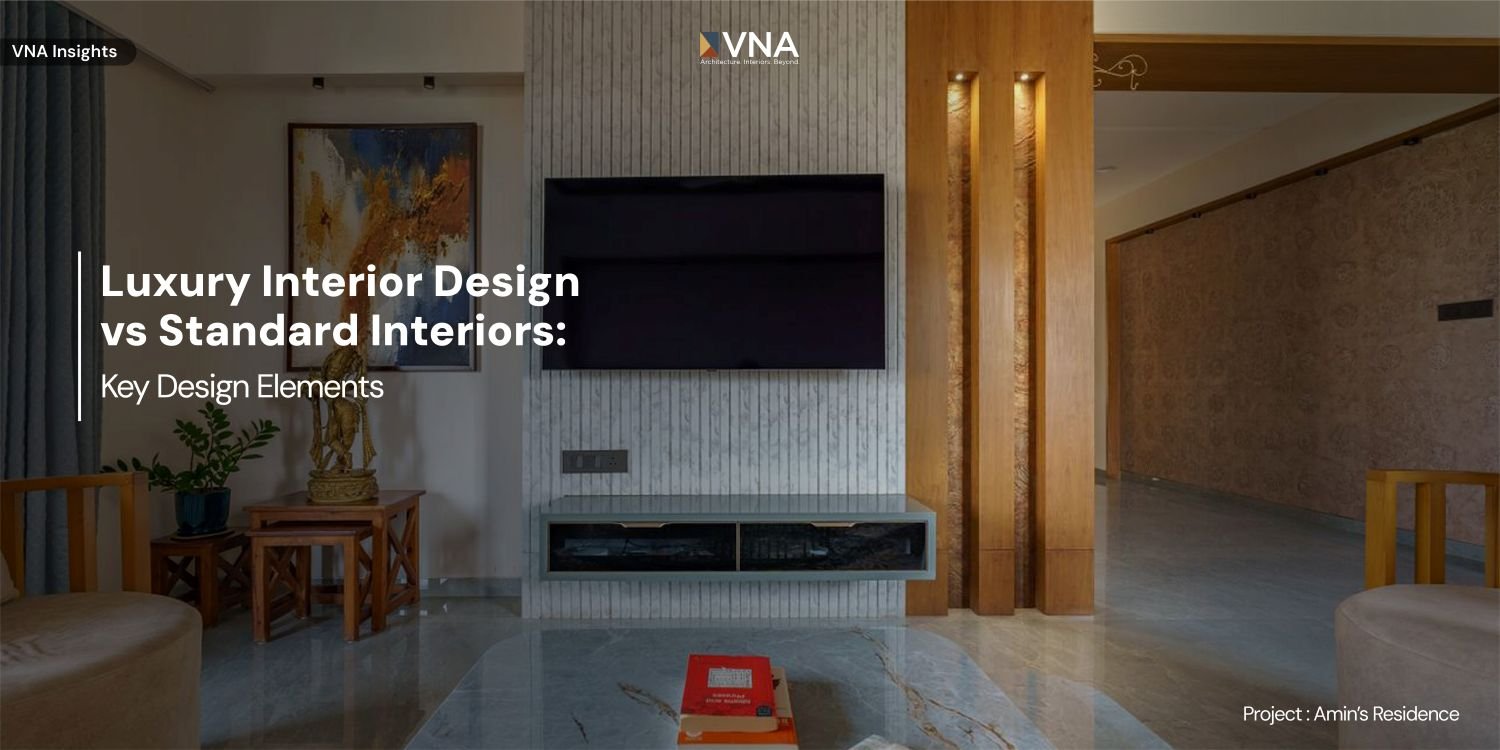
A Founder’s Note The word “luxury” has been overused to the point of emptiness. In real estate ads, it means marble. In magazines, it means brands. In developer brochures, it means a mood board of imported references. But in practice—on sites, in briefs, in the long life of a home—luxury means something simpler and harder to fake: it means the absence of compromise…

“Sustainability” is a word that has suffered from being used as a slogan. In real projects, it is rarely a slogan. It is a set of decisions: about energy, water, materials, comfort, and long-term operating cost. Green building consulting, at its best, is not moral messaging. It is performance thinking—applied early enough that it shapes the building, not just its…
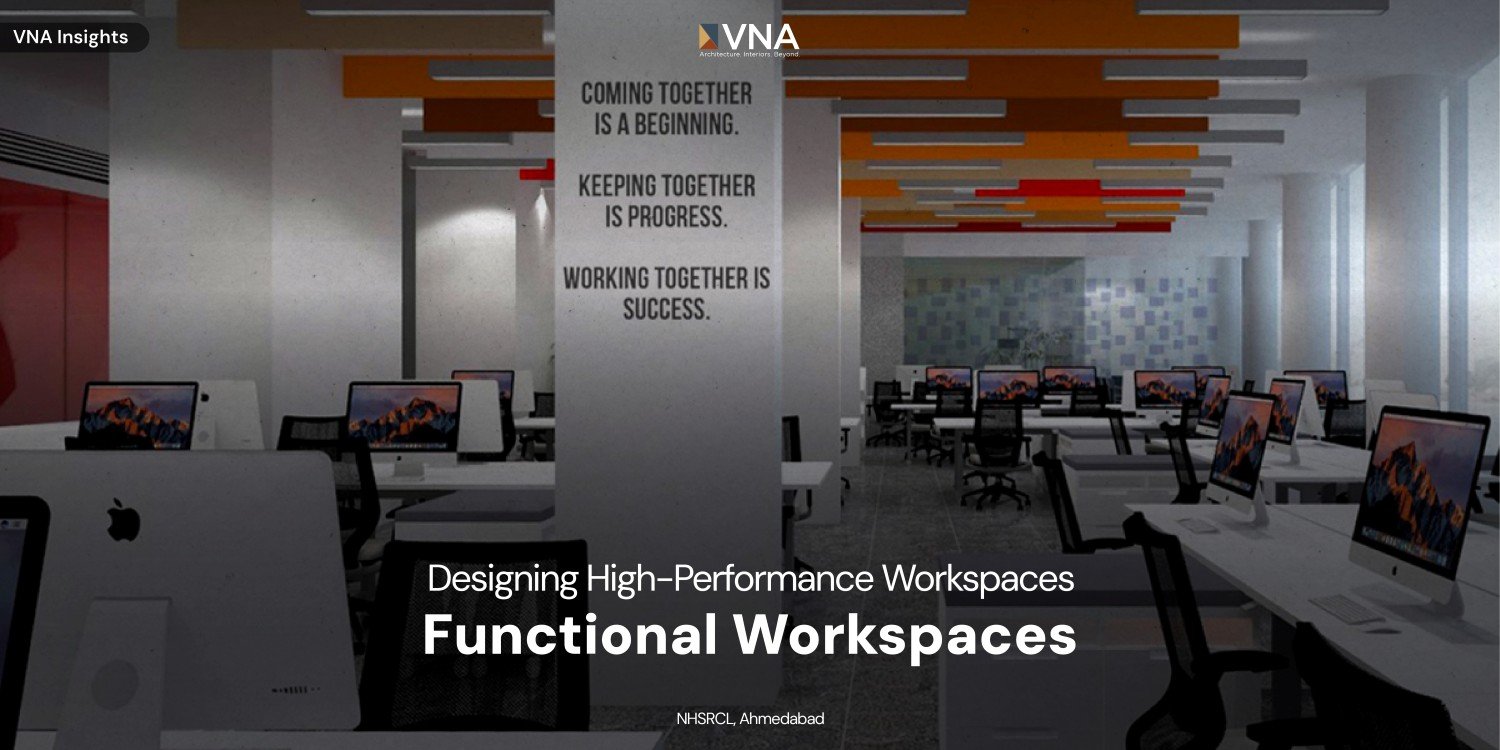
Office interiors are often judged too quickly. People walk in, register the reception, the lighting, the furniture, the colour palette—and decide whether it feels “premium.” But the true test of an office is less immediate and more unforgiving: does the place help people work without friction? This note is about interior design as infrastructure—how it shapes behaviour, productivity, and fatigue—especially now, when the…
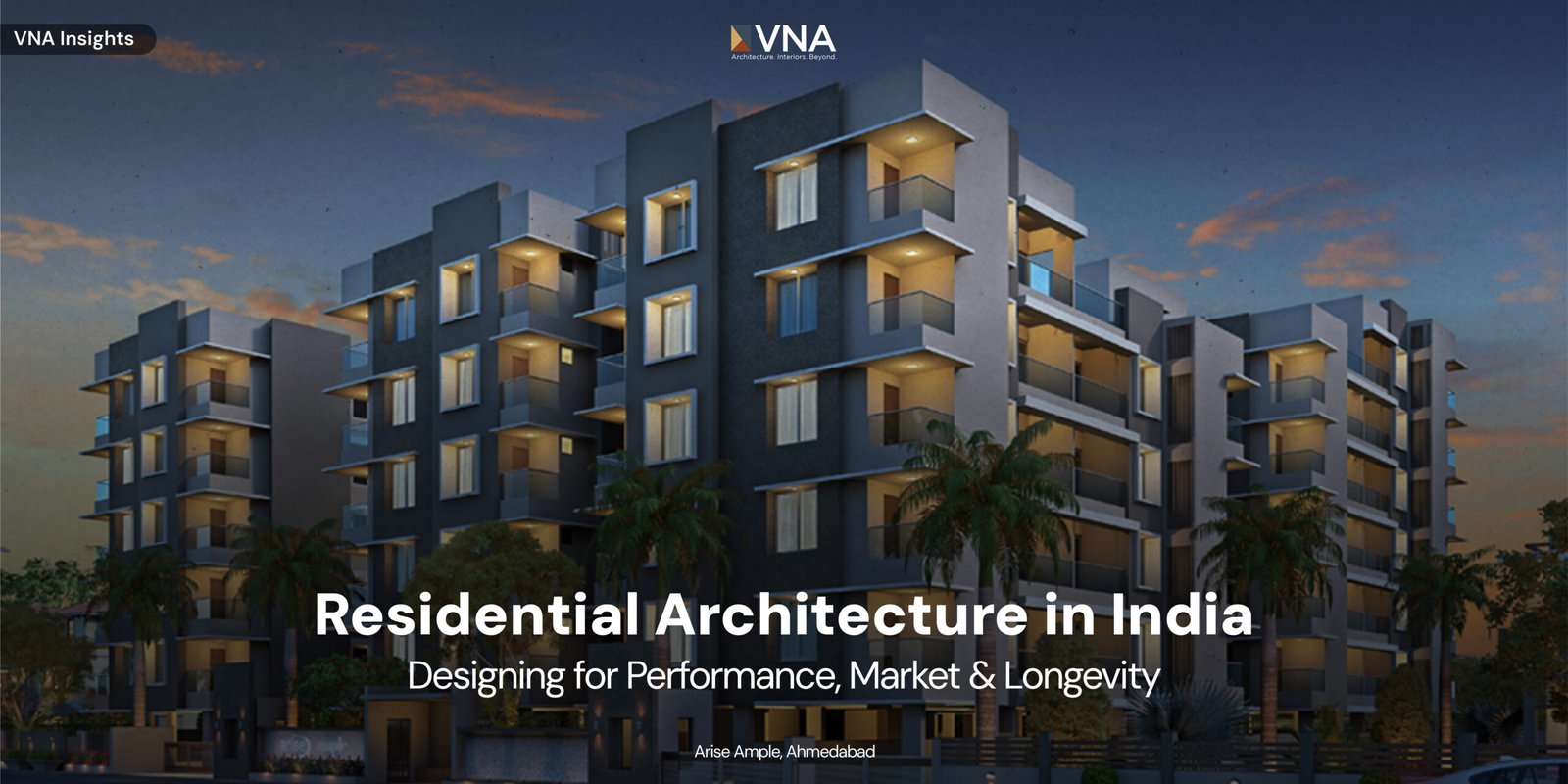
A Founder’s Note A few years ago, “modern home” meant a look—clean lines, large glazing, open plan, a staircase that wanted attention. Today, when a client uses the same phrase, I hear something else underneath it: fatigue. Heat. Noise. Hybrid work. Parents who visit for longer, children who return from college, routines that don’t stay put. This note is about…
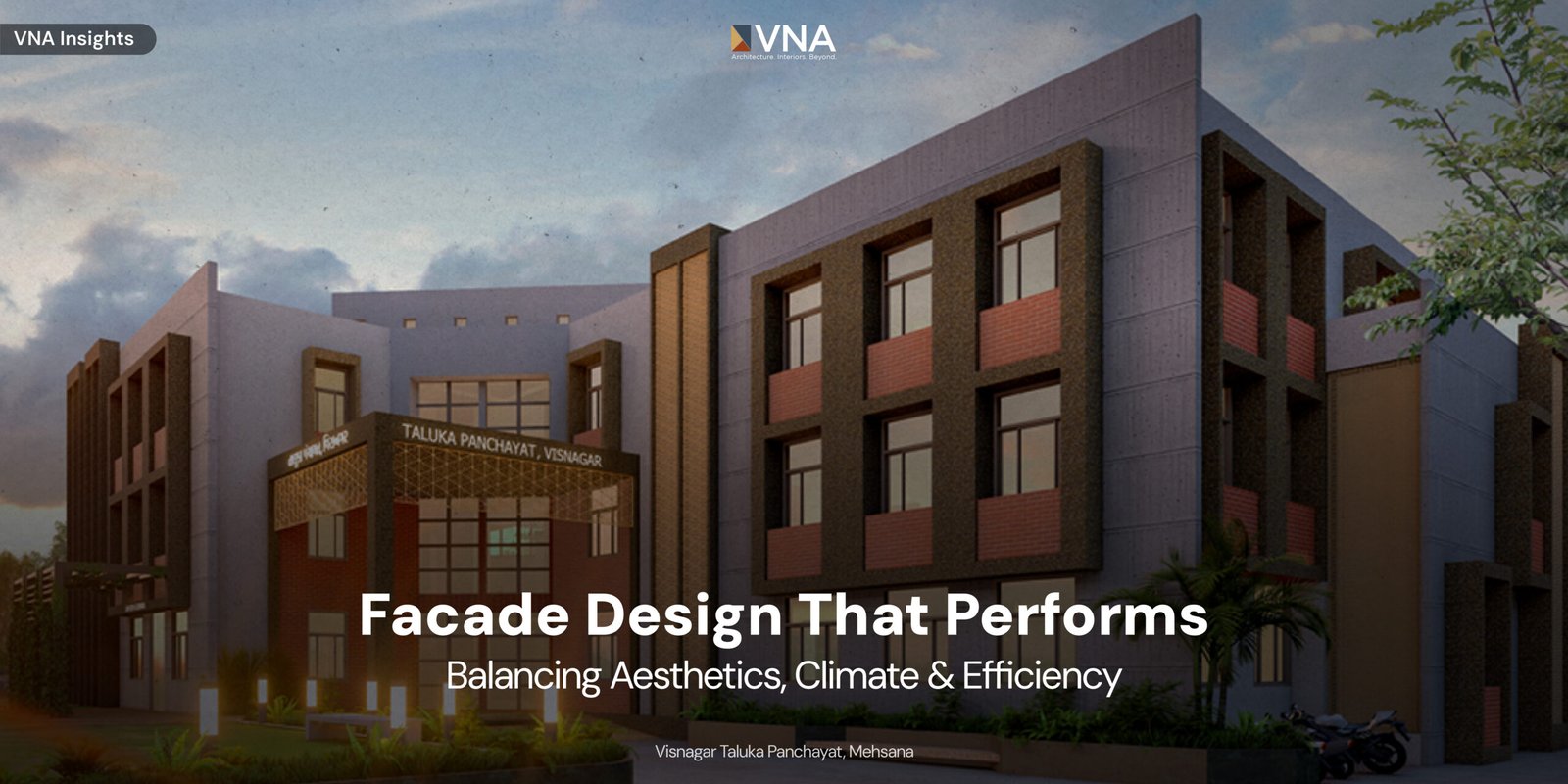
A Founder’s Note In the earlier notes, I wrote about choosing the right architect, about the difference between residential and commercial responsibility, about why offices are changing, and about how Ahmedabad’s conditions shape what good practice looks like. This next note continues the same thread, but focuses on the part of a building that attracts the most attention—and is often understood the least: the façade. The…
Issue 3 was about global shifts—how workspaces are being redesigned to deserve attendance. But architecture refuses to stay global for long. Buildings are local whether your reference images are or not. In Ahmedabad, climate, dust, shade, approvals, and execution realities are not background. They are the brief. Ahmedabad teaches architecture whether you ask it to or not. It teaches it…
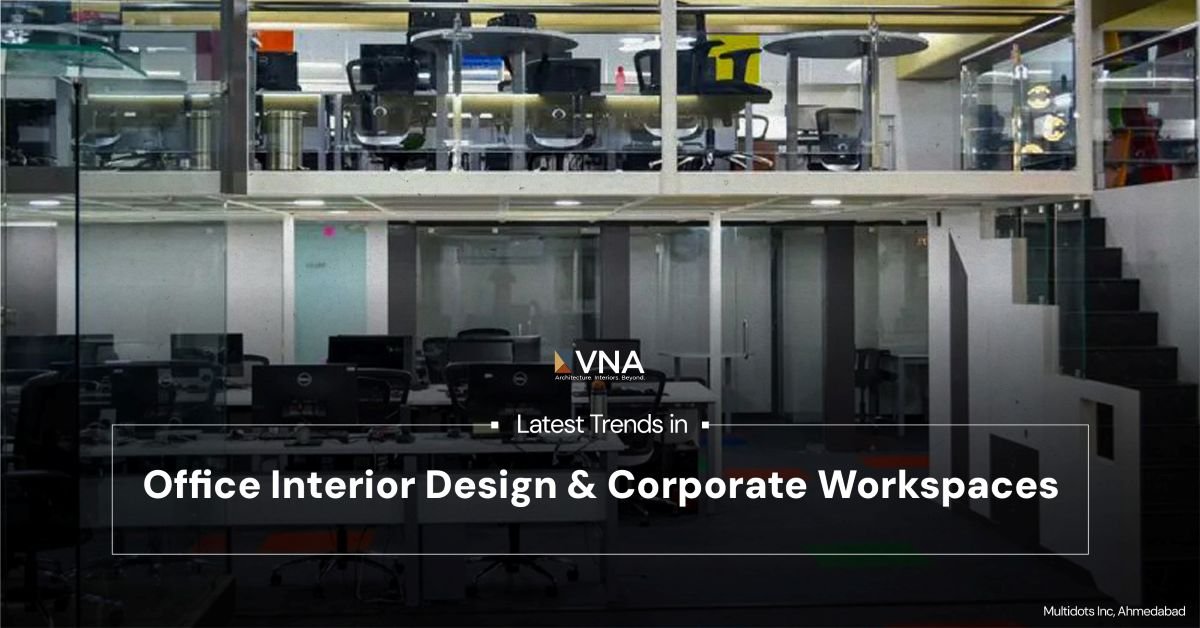
Issue 2 was about systems—how commercial buildings have to behave reliably under pressure. The office is perhaps the most visible of those systems because it sits inside a cultural argument: why come in at all? This note isn’t a list of décor ideas. It’s an attempt to name the deeper shifts shaping workplace design globally, and how those shifts are…
Leave a Reply